How this itinerary works
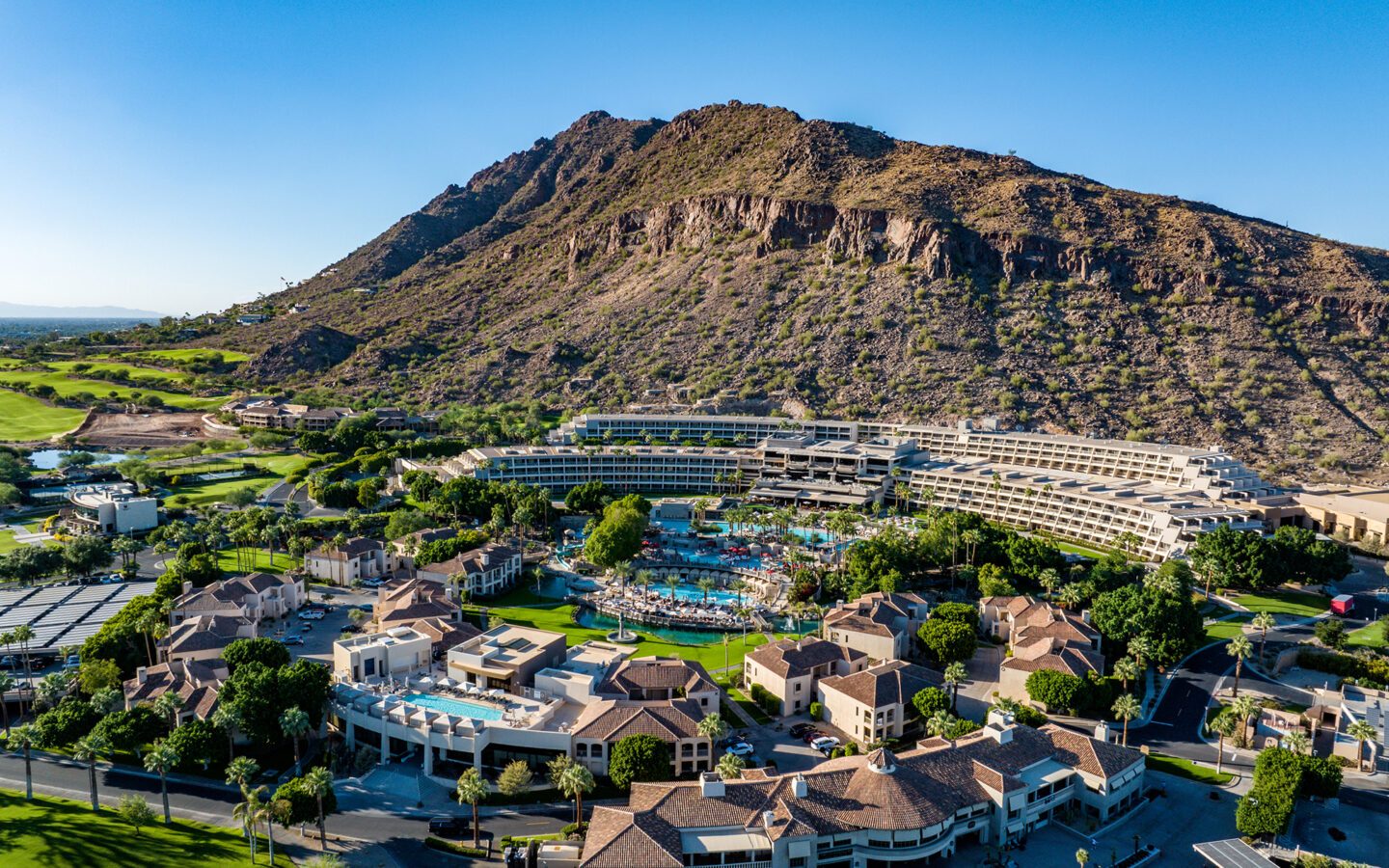
Phoenix and Scottsdale blend into one metro (locals call it "the Valley"), but they have different personalities: Scottsdale is resorts, galleries, and Old Town nightlife; Phoenix is museums, mountain parks, and the downtown food scene. Two days is enough to get both — if you group things by area instead of zigzagging across a metro that's genuinely huge. Day 1 is Scottsdale-based, Day 2 is Phoenix-based. Base yourself in or near Old Town Scottsdale and you'll rarely drive more than 20 minutes to anything on this list.
[AFFILIATE: hotels in Scottsdale Old Town]
When to come: October through April is prime — sunny, 60s–80s°F. May and September are warm but manageable. June through August routinely tops 110°F; this itinerary still works then, but every hike below becomes a sunrise-only activity and the pool becomes the main event. If you're coming in February or March, you're also in Cactus League spring training season — see our spring training guide before you book.
Day 1 — Scottsdale: the mountain, the garden, Old Town
Early morning: Camelback Mountain or Papago Park
Start before the heat. Camelback Mountain is the Valley's signature hike: the Echo Canyon trail is steep, rocky, and genuinely hard (about 1,200 feet of climbing in just over a mile) while the Cholla trail is longer and slightly gentler. Parking at Echo Canyon is limited and fills early on weekends — arrive near sunrise or take a rideshare. Not up for a scramble? Papago Park, ten minutes away, gives you the red-rock desert look with almost no effort: the Hole-in-the-Rock is a ten-minute walk to a natural viewpoint that's perfect at sunrise.
Late morning: Desert Botanical Garden
Right next to Papago Park, the Desert Botanical Garden is the single best introduction to the Sonoran Desert — 140 acres of cacti, wildflower trails (spring is spectacular), and rotating art installations among the saguaros. Give it two hours. It's mostly exposed, so go before midday in warm months.
[AFFILIATE: Desert Botanical Garden tickets]
Afternoon: Taliesin West or pool time
Frank Lloyd Wright's winter home and architecture school, Taliesin West, sits in the foothills of the McDowell Mountains in north Scottsdale. The guided tours are excellent and it's a UNESCO World Heritage site — book the tour ahead, as they sell out in peak season. Alternatively, lean into the resort lifestyle Scottsdale is famous for: check into your pool, order lunch, and do nothing. Both are correct answers.
[AFFILIATE: Taliesin West tours]
Evening: Old Town Scottsdale
Old Town is compact and walkable — the best evening base in the Valley. Start in the Arts District along Main Street (Thursday evenings are ArtWalk night), wander the Western-themed 5th Avenue shops, then pick your dinner style: upscale Southwestern, a steakhouse, or tacos and margaritas on a patio. After dinner, Old Town's bar and club district around Camelback Road is the liveliest nightlife in Arizona. Staying within walking distance means no driving decisions afterward.
[AFFILIATE: hotels near Old Town Scottsdale]
Day 2 — Phoenix: culture, views, and a desert sunset
Morning: Heard Museum or the Musical Instrument Museum
Pick one — both are world-class and both need about two hours. The Heard Museum (downtown Phoenix) is the definitive museum of Native American art and culture in the Southwest. The Musical Instrument Museum (north Phoenix) sounds niche and surprises everyone: 6,000+ instruments from every country on earth, with headsets that play the exhibits as you walk. Families usually prefer the MIM; art and history people, the Heard.
Midday: Roosevelt Row and lunch downtown
Downtown Phoenix's Roosevelt Row arts district is where the city's creative energy lives — murals, galleries, coffee shops, and some of the best casual restaurants in the Valley. It's also near the light rail if you're going car-free today. Pizzeria Bianco's original location is a short hop away in Heritage Square and still worth the wait.
Afternoon: South Mountain or a second hike
South Mountain Park is one of the largest municipal parks in the country. Drive the summit road to Dobbins Lookout for the classic panorama over the whole Valley — no hiking required — or walk the easy National Trail sections near the trailhead. If you'd rather stay central, Piestewa Peak in the Phoenix Mountains Preserve is the locals' after-work summit: a solid 1–1.5 hour up-and-down with a huge payoff.
Sunset and dinner
End the trip the way desert days should end: outside, watching the light go. Dobbins Lookout (if you didn't go earlier), the Hole-in-the-Rock at Papago Park, or a patio in Arcadia/Paradise Valley with Camelback in view all work. For a farewell dinner, the Biltmore/Arcadia corridor between Phoenix and Scottsdale has the Valley's deepest bench of destination restaurants.
[AFFILIATE: hotels in Phoenix and Paradise Valley]
Practical tips
- Getting around: Rent a car unless your whole trip is Old Town + resort. The Valley is spread out and rideshares add up fast. See our PHX airport and car rental guide.
- Water is not optional: Carry at least a liter per person on any hike, more in summer. Trailheads have no water. People get rescued off Camelback every year for skipping this.
- Book ahead in season: Taliesin West tours, popular Old Town restaurants, and spring training games all sell out in February–March.
- Got a third day? Sedona is a two-hour drive north and works as a long day trip — or better, the start of our 7-day Arizona road trip.
About & Disclosure
TRVL Guide is a travel resource site. Some links on this site may be affiliate links — if you book through them, we may earn a commission at no extra cost to you. It helps keep the guides free.